
What is an EP in music, and why should artists release one in 2026?

If you're an artist releasing music and you keep asking yourself what is an EP — you're in the right place.

What exactly is an EP?"
EP stands for extended play — or EP extended play if you want the full thing. Middle ground between a single and a full studio album. Sometimes called a mini album. Usually a few tracks, anywhere from three to up to eight tracks, though most land at four to six. More than one song, less than a full album's worth of material. Fewer tracks than an LP, more depth than a single track.
The difference between an EP and an album isn't just track count. It's about commitment. An EP lets you tell a story without writing a novel. Most artists use them to test new sounds, stay in release cycle, or build hype before a bigger album launch.
Not just for beginners either. Seasoned artists use EPs to explore sounds or keep fans engaged during gaps between studio album releases. A musical teaser. Leaves you wanting more tracks.
The Journey of the EP Across Time
EPs have been around the music industry since the 1950s. Nothing new. Back then, the vinyl record world needed something between a single and a full long play LP. Playing time was a physical limitation — a 45 rpm vinyl record held two songs per side. An EP held more, but less than a full LP. Hence the EP format.
The EP and LP relationship defined the early music business. An LP — long play — was the full studio album. One LP typically held 10 to 12 tracks. The EP sat neatly in between, giving record labels like Columbia Records a cost-effective way to release new music without committing to a full studio album production cycle. Many artists across genres used this structure to get music out fast without blowing the whole budget.
Some early notable EP releases:
Elvis Presley — self-titled debut EP dropped in 1956 on RCA Victor. One of the first popular artists to use the format strategically as a first release before a full album push.
The Beatles — "Twist and Shout" came out in the UK in July 1963. You want to listen to that one if you haven't.
The Beach Boys — released several EPs in the early 1960s, including "Surfin' Safari" in 1962.
The Rolling Stones — self-titled debut EP released in the UK in January 1964.
All on vinyl record. All 45 rpm format. All part of how the music business figured out the EP vs full album question decades before any streaming service existed.
What Makes an EP Stand Out Compared to a Full-Length Album?
You've got a few tracks ready. Not enough for a full studio album. Too much to drop as just one song. The EP is the move.
Here's why most artists go this route:
Fewer songs to promote.
Focusing your promo on an entire release of four tracks is way more manageable than carrying a 12-track studio album campaign. Go deep on each track instead of spreading thin.
Less time-consuming.
A full album is a massive undertaking. Recording sessions for a full long play can drag on for months. An EP gets done faster. More energy left for the actual music.
Cherry-picking your best work.
You're not padding. Every track on an EP has to earn its spot. No filler. No weak links.
Budget-friendly.
Studio time for four to six tracks costs a fraction of a full studio album recording.
Build hype before a bigger release.
A fantastic way to tease your sound before a full album launch. Think of it as a trailer for your debut album.
More songs in the world faster.
In the streaming era, release frequency matters. More tracks out there means more chances to hit a playlist, feed an algorithm, and reach new listeners. Waiting a year between releases kills momentum.
Experiment without full commitment.
Want to try a different sound? An EP is the place. Test it. See how people respond. Pivot if needed.
Longer body of work than a single.
One track proves you can write a song. A six-track EP proves you can make a statement.
Works across all genres.
Hip hop, indie rock, electronic, pop, country. The EP format doesn't care. Works everywhere.
EP vs LP: What's the actual difference?
The EP and LP question comes up constantly. Short answer:
An LP — long play, is a full album. Typically 8 to 14 tracks, 35 to 60 minutes of playing time, one complete artistic statement. A studio album release is a major event. More studio time, more budget, longer promotional runway.
An EP is the mini album version. Fewer tracks, shorter playing time, faster to make, easier to promote. Contemporary EPs in the streaming era are often 3 to 5 tracks — sometimes with remixes bundled in to stretch the entire release and give streaming service platforms like Spotify or Apple music more indexable content.
The EP vs LP decision comes down to where you are in your career and what you're trying to do. Early on — debut EP first, then build toward a studio album. Many artists who went the EP route first built a more loyal fanbase by the time they dropped a full record. Listen to how Ice Spice or Sabrina Carpenter built their momentum — EPs the whole way up.
List of artists who decided to release EPs over full-length albums.

Radiohead
Released "In Rainbows Disk 2" EP as a follow-up to their album "In Rainbows."

Arctic Monkeys
Their debut release was the EP "Five Minutes with Arctic Monkeys."
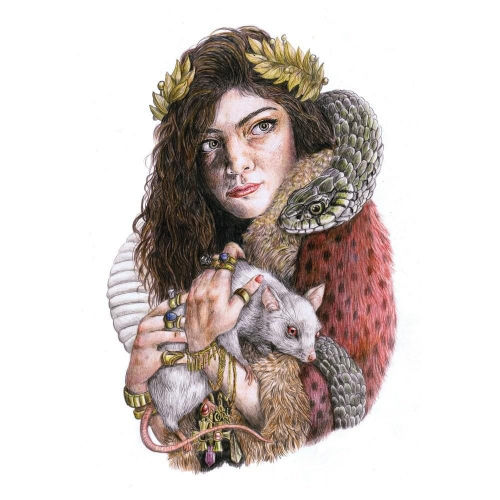
Lorde
Released "The Love Club EP" before her debut album

The Weeknd
Released three EPs in 2011 before compiling them into the "Trilogy" album

Grimes
Released the "Darkbloom" EP between her full-length albums

Troye Sivan
Released several EPs before his debut album, including "TRXYE" and "Wild"

Janelle Monáe
Released "Metropolis: Suite I (The Chase)" EP before her first full-length album


Bastille
Released several EPs, including "Laura Palmer" and "Other People's Heartache."


Interpol
Released their self-titled EP before their debut album

Sigur Rós
Released the "Hvarf/Heim" EP between full-length albums
Halsey
Released "Room 93" EP before her debut album
Childish Gambino
Released the "Kauai" EP as part of a dual project with his "STN MTN" mixtape
How much does it cost to produce an EP?
Let's talk money.
Recording sessions costs vary a lot depending on your setup and goals.
Session artists: $50 to $500+ per hour
Mixing: $200 to $2,500+ per track
Mastering: $50 to $500+ per track
Rough budget ranges:
Low budget (DIY/home recording): $500 to $3,000 for the whole EP
Mid-range: $3,000 to $10,000
High-end: $10,000 to $50,000+
In 2026, these numbers can drop significantly. AI mastering tools like Landr and eMastered have changed what's possible at the low end. A home-recorded EP with AI mastering can sound professional for under $500. Studio time is still worth paying for when you need it. But most artists starting out can put out a great-sounding debut EP without going broke.
For distribution, platforms like Ditto Music, DistroKid, TuneCore, and CD Baby all handle getting your EP onto every streaming service for minimal cost. Your release title setup, metadata, and individual tracks are all managed through these services. Compare before you commit — each has different fee structures.
EP promotion strategy in 2026
Making the EP is step one. Getting it heard is the whole game.
Release strategy in the streaming era looks different than it did five years ago. Here's what actually works right now:
TikTok and Instagram Reels rollout. Don't drop everything at once. Tease each track in the week before release. Short clips, reactions, behind-the-scenes from recording sessions. Build hype track by track before the entire release drops. Many artists who blew up recently did exactly this.
Submit individual tracks to playlist curators. A streaming service like Spotify doesn't care if a track comes from an EP or a studio album. Each individual track is its own submission opportunity. One Submit connects you with independent playlist curators, music blogs, YouTube channels, and TikTok influencers. Submit each track separately. Maximize your placement chances across the entire release.
Use Spotify's 1,000-stream threshold to your advantage. Spotify requires 1,000 streams in 12 months before paying royalties. A four-track EP gives you four separate chances to hit that threshold. Way smarter than dropping one song and hoping. More tracks out there means more songs working for you simultaneously.
Meta ads for targeted streaming. Running targeted Instagram and Facebook ads to your best track drives real listener engagement that feeds the algorithm. It compounds fast.
Remixes and alternate versions. Releasing remixes of EP tracks extends the lifecycle of the entire release and gives every streaming service more content to index. A six-track EP with two songs remixed becomes an eight-track project without any new recording sessions.
Online guide: Best Music Blogs to Get Your Music Featured.
In today's world
The streaming era has made the EP format more relevant than ever. Shorter attention spans. Contemporary EPs fit perfectly — enough content to make a statement, short enough to hold focus.
Every major streaming service treats EP tracks the same as studio album tracks for playlist consideration. The algorithm doesn't care about format. It cares about engagement. An EP released consistently every few months outperforms a single annual studio album release in terms of algorithmic momentum almost every time.
Most artists who break through in 2026 aren't waiting two years between releases. They're dropping new music consistently — EPs, singles, remixes, new material — staying in the algorithm's awareness. The EP format is built for that rhythm. Many artists treat the EP as their primary release vehicle now, with the full studio album becoming the exception rather than the rule.
Final Thoughts
EPs are a hidden gem for up-and-coming musicians trying to make their mark. Budget-friendly, algorithm-friendly, and perfectly sized for the modern attention span. Whether you're a solo artist, in a band, or a producer, releasing EPs lets you explore creatively, connect with fans, and put out new music regularly without the pressure of a full studio album.
Your debut EP might just kick off your whole career. Don't overthink the entire release. Make something real, get it out there, and listen to how the audience responds. Adjust. Keep going.
In the streaming era of today, staying connected to your fans and consistently dropping new music is everything. Stop waiting. Start planning your EP. Make some noise.
Frequently Asked Questions
What's the difference between an EP and an album?
An EP is typically 3 to 6 tracks — shorter, lower stakes, faster to make. A studio album is a full longer body of work, usually 8 to 14 tracks. Less commitment than an album, more depth than a single drop. That's it.
Should an independent artist release a debut EP before an album?
Yes, usually. A debut EP lets you build a fanbase, test what resonates, and stay in release cycle without the time and budget of a full studio album. Most artists who went EP first built stronger foundations. The data backs this up.
Do EP tracks get playlisted on Spotify?
Yes. Individual tracks from an EP get treated exactly the same as studio album tracks on every streaming service. Spotify doesn't care about format — a good song is a good song. Submit each track separately for the best shot at placement.
How long should an EP be in 2026?
3 to 5 tracks is the sweet spot. Enough to tell a story, short enough to keep algorithmic momentum. Up to eight tracks works if the project demands it, but most contemporary EPs sit at four. Fewer tracks done well beats more tracks done half-heartedly every time.
What's the difference between an EP and an LP?
The EP and LP are both vinyl record era terms. EP stands for extended play — a few tracks, shorter playing time. LP means long play — a full album, typically one LP per release cycle. In the streaming era both terms still get used but the physical vinyl record difference matters a lot less than it used to.
Resources:
Visit our TikTok music promotion plan
Learn more about Spotify promotion for independent artists
Find out how music Spotify pays per stream using our streaming calculator
Read about the best music distribution service


